What Is a Motorized Power Wheelchair and How Does It Work?
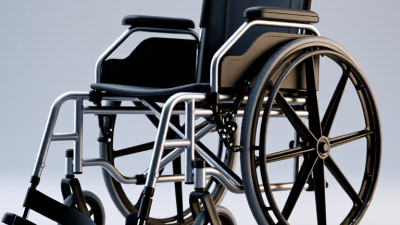
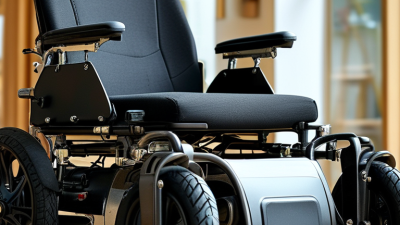
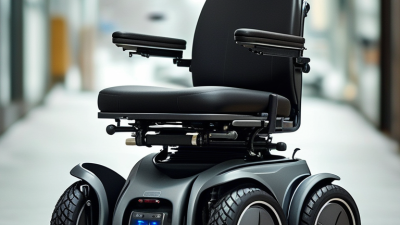
A Motorized Power Wheelchair is more than a powered seat with four wheels. It is a mobility system designed to help people travel, turn, stop, and position their bodies with less physical effort. Unlike a manual wheelchair, it uses rechargeable batteries, electric motors, and an electronic controller. The user commonly operates these functions through a joystick, head array, sip-and-puff device, or other adaptive control.
Rory Cooper, a wheelchair researcher, rehabilitation engineer, and disability-rights advocate, has said, “A wheelchair is not a symbol of disability; it is a symbol of independence.” That idea helps explain the technology’s purpose. A well-fitted Motorized Power Wheelchair can move across a hallway, climb suitable ramps, and support daily activities at home, work, or outdoors. Its performance depends on the motor, battery capacity, terrain, user weight, seating system, and maintenance.
The details matter. A joystick signal travels to the controller, which regulates power to each motor. Small changes in direction can create precise turns. However, real-world performance is less tidy. Cold weather may reduce battery range. Uneven ground can affect stability. Poor seating support can cause discomfort, even when the chair moves correctly.
This article explains how these systems work, what their main components do, and why professional assessment matters. It also questions a common assumption: more power does not always mean better mobility. The right chair must fit the person, environment, body, and routine. That fit takes careful observation.
Read more »

 By:Amelia
- October 16, 2026
By:Amelia
- October 16, 2026

 By:Victoria
- October 11, 2026
By:Victoria
- October 11, 2026

 By:Ethan
- October 6, 2026
By:Ethan
- October 6, 2026