0%

Choosing an Electric Power Wheelchair is not simply a matter of comparing prices and battery ranges. It affects posture, safety, independence, and daily confidence. A chair may look impressive online, yet feel unstable on a narrow ramp. Small details matter, including seat width, turning radius, joystick placement, braking, and service access.

The World Health Organization and UNICEF reported in their 2022 Global Report on Assistive Technology that more than 2.5 billion people need at least one assistive product. This figure could exceed 3.5 billion by 2050. The report also highlights unequal access, weak maintenance services, and limited professional support. These findings make buying decisions more serious than product advertising suggests. A low purchase price can become expensive when batteries, tires, or controllers are difficult to replace.

Rory Cooper, PhD, a wheelchair researcher and founder of the Human Engineering Research Laboratories, is often quoted saying, “A wheelchair is a tool for mobility, not a symbol of disability.” That perspective changes the buying process. The right model should fit real routines, not just showroom demonstrations. Consider door thresholds, carpet, outdoor slopes, vehicle storage, and several hours of sitting. Try before buying, when possible. Ask for a pressure assessment and a written warranty. Market reports provide useful direction, but they can simplify user needs. They may also disagree. That is worth remembering. These seven Electric Power Wheelchair buying tips examine the practical choices behind safer, more comfortable, and more reliable mobility.
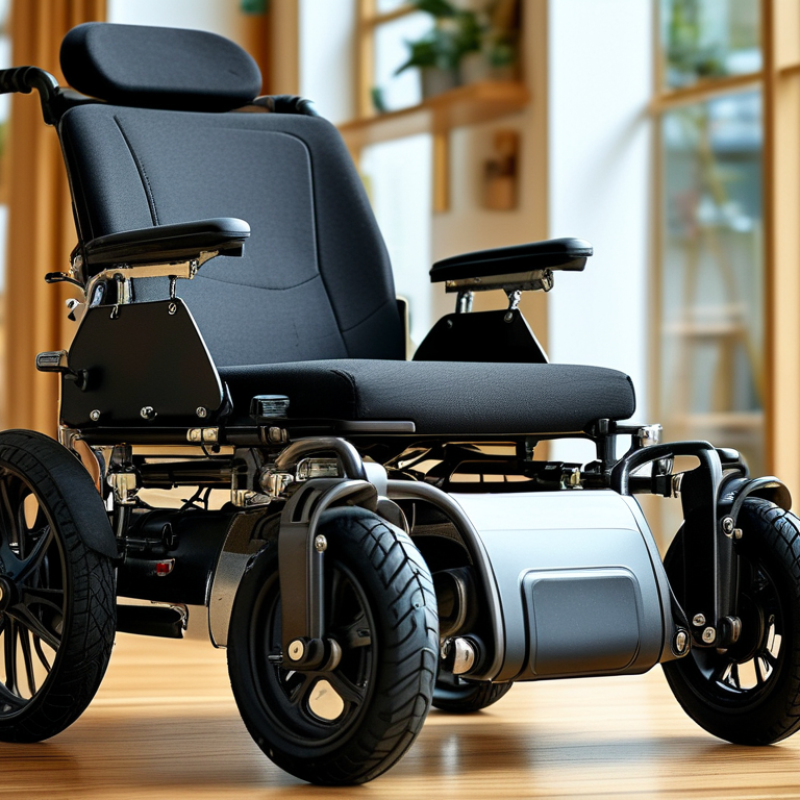
7 Electric Power Wheelchair Buying Tips

Define Your Mobility Needs and Daily Usage Scenarios

Choosing an electric power wheelchair starts with a daily map, not a catalog. The WHO and UNICEF Global Report on Assistive Technology (2022) estimates that more than 2.5 billion people need at least one assistive product. That need may exceed 3.5 billion by 2050. Your answer should be personal. Do you move mainly across carpet, pavement, ramps, or uneven gardens? Measure doorways, lift dimensions, turning areas, and the distance between your bed and bathroom. Note slopes after rain. Small details become exhausting barriers.

Record your real routines for three ordinary days. Include work, shopping, medical visits, and charging opportunities. A chair used indoors may need a tighter turning radius and narrower frame. Outdoor travel may require larger drive wheels, suspension, lights, and weather protection. Check seat width, depth, cushion support, and controls while wearing your usual clothing. Ask a qualified seating professional to assess posture and pressure management. The WHO identifies appropriate fit, training, and follow-up as essential parts of assistive technology provision.

Battery range deserves skepticism. Published tests rarely mirror hills, cold temperatures, heavy loads, or frequent stops. Estimate your longest day, then add a practical reserve. Maybe 20 percent is enough; maybe not. A transit user should verify securement compatibility and lifting limits with the transport operator. A home user should test charging access without moving furniture. I would not choose speed before stability, control, and service access. The same WHO and UNICEF report highlights affordability, availability, and maintenance gaps. Those risks belong in the buying decision, too.

Compare Power, Battery Range, and Charging Requirements

7 Electric Power Wheelchair Buying Tips

Power ratings can look impressive, but they do not tell the whole story. Compare motor strength with your daily environment, including ramps, grass, carpets, and steep sidewalks. A stronger motor may climb better, yet it can consume more energy. Check the chair’s weight capacity, turning ability, and braking performance with a qualified mobility specialist. I once underestimated how much a small slope affected battery use. Real conditions matter.

Tip 1: Ask for a realistic range estimate. Manufacturers often test batteries on smooth, flat surfaces. Your actual distance may decrease with heavier users, cold weather, frequent stops, hills, or soft ground. Measure your usual route and add a safety margin. A range that barely covers one day may become stressful quickly. More is not always better, though. Larger batteries can add weight and increase charging time.

Tip 2: Examine charging requirements before buying. Confirm the battery type, charging duration, replacement cost, and charger weight. Check whether the charger works with your home’s electrical supply. The charging area should stay dry, ventilated, and free from loose fabrics. Follow the supplied instructions, and ask a qualified technician about unusual heat, swelling, or charging failures. I prefer an overnight routine, but that habit may not suit every household. Carrying a spare charger can help, although it adds bulk.

Check Comfort, Fit, Controls, and Seating Adjustments

Comfort should be tested, not guessed. WHO and UNICEF’s 2022 Global Report on Assistive Technology estimates that 2.5 billion people need assistive products. Many still lack suitable access. A power wheelchair should support your posture during real daily use, not only in a showroom.

Tip 1: Sit for at least 20 minutes. Check whether the cushion creates pressure under your thighs. Keep your pelvis level, with both feet supported.

Tip 2: Measure seat width and depth carefully. You should fit without hip compression or excessive side movement.

Tip 3: Test the back angle, tilt, recline, headrest, and footrest. Small adjustments can reduce fatigue. They matter more than appearance.

Tip 4: Place the control where your hand rests naturally. Try slow turns, doorway approaches, and stopping on a gentle slope. Controls should respond without shoulder strain.

Tip 5: Ask whether the seating system can change as your needs change. Bodies change.

Tip 6: Check transfer height and armrest clearance. A seat that feels comfortable may still make transfers difficult.

Tip 7: Request a pressure-management review from a qualified seating professional. WHO wheelchair guidance reports that only about 5–15% of people needing wheelchairs have access to one. That makes a poor fitting decision especially costly. Do not accept a rushed trial. Bring your usual cushion, shoes, and daily routine. Perfect fit is difficult, but measurable problems should not be ignored.

Evaluate Portability, Safety Features, and Indoor Maneuverability

Portability starts with your routine, not the brochure. Measure the car’s cargo opening, doorway width, and storage height. Check the wheelchair’s folded or separated weight, including batteries. A 25-kilogram frame may still feel awkward on a narrow stair. Removable batteries can help, but confirm their handling weight and charging requirements.

WHO and UNICEF’s Global Report on Assistive Technology (2022) estimates that over 2.5 billion people need assistive products, while access remains unequal. Practical fit matters more than impressive specifications.

Safety deserves a hands-on inspection. Test the parking brake on a slight slope, examine the anti-tip wheels, and confirm the seatbelt sits across the pelvis. Ask for documented testing against relevant ISO 7176 standards.

ISO 7176-19 concerns wheelchair seating in motor vehicles; it does not automatically make every chair crash-safe.

Look for lights, reflectors, horn controls, and a battery warning that remains visible in bright rooms. Small details matter. A confusing joystick can create risk near a doorway.

Indoor maneuverability is often underestimated. Try a full turn beside a kitchen counter, then reverse from a bathroom entrance. Compare turning radius, seat height, armrest width, and joystick sensitivity. A narrow chair may fit better, but a short wheelbase can feel less stable. That trade-off deserves honest attention.

The WHO Wheelchair Provision Guidelines recommend assessment, fitting, training, and follow-up, not simple product delivery. A perfect specification sheet can still mislead.

Bring a tape measure, test the chair slowly, and notice whether your shoulders tense after five minutes.

Review Maintenance, Warranty Coverage, and Total Ownership Costs

Buying an electric power wheelchair requires more than comparing speed, range, and seat comfort. Maintenance records can reveal the real ownership experience. Ask how often tires, batteries, brakes, joystick controls, and upholstery need inspection. During a showroom trial, listen for unusual motor noise and check whether the chair turns smoothly on uneven flooring. I once underestimated battery care; short charging habits reduced daily confidence. That mistake taught me to read the charging instructions carefully.

A practical maintenance plan should list cleaning, tire-pressure checks, battery testing, and annual electrical inspections. Confirm who performs repairs, where parts come from, and how long common components usually take to arrive. Warranty coverage deserves line-by-line attention. Check the coverage period for the frame, motor, battery, electronics, and charger. Some warranties exclude water damage, misuse, modified parts, or commercial use. Ask whether labor and shipping are included, because a covered part can still create a costly service visit. Get every promise in writing.

Calculate total ownership costs over several years, not only the purchase price. Include batteries, tires, cushions, transport, charging electricity, service calls, and possible home-access changes. A cheaper chair may become expensive if its battery requires frequent replacement. Keep receipts and maintenance dates in one folder. This makes warranty discussions clearer and helps identify recurring faults. My own cost estimate was too optimistic because I ignored accessible transport. Leave room for surprises.

FAQS

How should I compare motor power for different environments?

Match motor strength to ramps, grass, carpets, and steep sidewalks. Stronger motors may climb better. They can also use more battery. Test braking, turning, and weight capacity with a qualified specialist.

How realistic is the advertised battery range?

Treat it as an estimate. Smooth, flat tests may not match daily routes. Heavy users, hills, cold weather, stops, and soft ground reduce range. Measure your route and add a safety margin.

Are larger batteries always better?

Not necessarily. Larger batteries may provide more distance. They also add weight and require longer charging. A battery barely covering one day may create stress. More is not always better.

What charging details should I check before buying?

Confirm the battery type, charging time, replacement cost, and charger weight. Check compatibility with your home’s electrical supply. Store the charger in a dry, ventilated area. Keep it away from loose fabrics.

How can I test whether the seat fits properly?

Sit for at least 20 minutes. Check for pressure under your thighs. Keep your pelvis level, with both feet supported. Measure seat width and depth carefully. A showroom trial can still mislead.

Which seating adjustments deserve attention?

Test the back angle, tilt, recline, headrest, and footrests. Place the controls where your hand rests naturally. Try slow turns, doorways, and gentle slopes. Small adjustments can reduce fatigue.

What should I inspect for safe indoor movement?

Try turning beside a kitchen counter. Reverse from a bathroom entrance. Check the turning radius, seat height, armrest width, and joystick sensitivity. Notice whether your shoulders tense after five minutes.

How can I judge portability and vehicle storage?

Measure the car opening, doorways, and storage height. Include the batteries when checking weight. Removable batteries may help. Confirm their handling weight and charging needs. A narrow stair can expose a poor choice.

Which safety features should I test directly?

Test the parking brake on a slight slope. Inspect anti-tip wheels and seatbelt placement across the pelvis. Check lights, reflectors, horn controls, and battery warnings. Ask about relevant ISO 7176 testing. Documentation matters, but it does not replace hands-on testing.

Conclusion

Choosing an Electric Power Wheelchair starts with understanding your personal mobility needs, daily routines, and the environments where you will use it most. Consider the distance you typically travel, whether you need to navigate narrow indoor spaces or uneven outdoor surfaces, and how much power and battery range are appropriate for your lifestyle. Charging time and access to a reliable charging location should also be part of your decision.

Comfort and fit are equally important, so review the seat size, cushioning, controls, and available seating adjustments. Evaluate portability, turning ability, braking systems, stability, and other safety features, especially if transportation or indoor maneuverability matters. Finally, look beyond the purchase price by comparing maintenance needs, warranty coverage, replacement parts, battery life, and long-term ownership costs. A careful comparison will help you select a dependable wheelchair that supports comfort, independence, and everyday confidence.

Ethan

Ethan

Ethan is a professional marketing specialist with a strong understanding of product strategy, customer needs, and market trends. As a valued member of our team, he combines practical marketing experience with in-depth knowledge of the company’s products, services, and business objectives. His work......