
Technical Executive Summary & Information Gain Insight
While standard consumer buyers often evaluate wheelchair wheels purely on aesthetic preferences, professional procurement managers, healthcare institutions, and mobility aid OEMs must analyze Wheelchair Spoke Wheels based on dynamic load dissipation, tangential spoke-lacing torque, rim profile yield strength, and hub-flange mechanical tolerances. Unlike molded composite mag wheels—which exhibit high structural rigidity but pass micro-impact shocks directly to the frame—spoke wheels offer a calibrated balance of tensile flexure, modular serviceability, and superior energy efficiency during manual self-propulsion.
1. The Mechanical Foundations of Wheelchair Spoke Wheels
Wheelchair Spoke Wheels remain the golden standard for manual mobility solutions, active wheelchairs, and specialized medical transit equipment across global healthcare markets. To understand why global procurement officers prioritize high-grade wire-spoke architecture over molded plastics for active users, we must examine the physics of rotational dynamics, radial force vectors, and shock dissipation mechanisms.
1.1 Spoke Lacing Geometries: Radial vs. Cross-Spoke Patterns
The structural integrity of a rear wheelchair spoke wheel relies heavily on its spoke arrangement pattern. Manufacturers like Mayur Enterprises utilize precise mechanical geometry to handle both vertical static loads and horizontal lateral forces (torsion incurred during sharp turns or curb mounting):
- 3-Cross (3X) Tangential Lacing: The most widely adopted pattern for heavy-duty and daily-use wheelchairs. Each spoke crosses three other spokes between the hub flange and the rim. This geometry creates optimal torque transmission during acceleration and braking, spreading stress evenly across the 36 or 28 spoke holes in the hub.
- Radial Lacing (0-Cross): Spokes run straight from the hub to the rim without crossing. While radially laced wheels offer a sleek aesthetic and marginal weight reduction, they provide zero rotational torque transfer. Consequently, radial lacing is restricted strictly to non-driven caster wheels or hand-rim driven setups where extreme lateral stiffness is prioritized over torque capacity.
- Hybrid 2-Cross Lacing: Frequently specified in active folding wheelchairs, balancing lightweight agility with moderate torsional strength.
1.2 Material Composition & Metallurgical Tolerances
Selecting the appropriate metallurgical combination directly affects component longevity, maintenance intervals, and total cost of ownership (TCO) for hospital fleets and distributor networks.
| Component | Standard Specification | High-Performance Specification | Mechanical Advantage |
|---|---|---|---|
| Rim Extrusion | 6061-T6 Aluminum Alloy (Single Wall) | 6063-T5 Double-Wall Hollow Box Rim | High strength-to-weight ratio, structural resistance against radial denting. |
| Spoke Wire | Galvanized High-Carbon Steel (14G / 2.0mm) | 304 Grade Stainless Steel (12G Heavy Duty) | Complete oxidation resistance, superior tensile strength up to 1200 N/mm². |
| Nipples | Nickel-Plated Brass | Anodized High-Tension Brass / Alloy | Prevents thread stripping during high-tension truing, stops galvanic corrosion. |
| Hub Shell | Die-Cast Aluminum Hub | CNC Machined Forged Alloy Hub | Ensures perfect bearing alignment and eliminates flange elongation under load. |
| Bearings | Standard Carbon Steel Ball Bearings | Sealed Precision Cartridge Bearings (6001ZZ) | Zero maintenance, waterproof seal, minimal rolling friction coefficients. |
2. Global Market Dynamics & Future Procurement Trends (2025–2032)
As the international mobility device industry expands to meet the demands of an aging global demographic and rising institutional healthcare standards, the market for replacement and OEM Wheelchair Spoke Wheels is undergoing rapid transformation. Global buyers must align their procurement strategies with four key technical and economic trends:
Trend 1: Demand Shift Toward Maintenance-Free Solid Polyurethane Integration
Historically, spoke wheels were almost exclusively paired with pneumatic (air-filled) rubber tires. However, institutional buyers (hospitals, nursing facilities, rehab centers) suffer high operational downtime due to tire punctures. The market is shifting overwhelmingly toward high-density Polyurethane (PU) solid tires mounted on double-wall spoke rims. Modern PU formulations replicate the shock-absorption properties of 45 PSI pneumatic tires while guaranteeing zero flat tires and reduced rolling resistance on indoor flooring.
Trend 2: Quick-Release Axle Standardization Across Modular Frames
Global mobility regulations increasingly mandate user independence and ease of vehicle transport. Standard threaded axle setups are rapidly being superseded by 12.7mm (1/2 inch) and 12mm push-button Quick-Release (QR) stainless steel axle mechanisms. Procurement specifications now require hub shells to feature hardened steel internal sleeves that interface seamlessly with QR pins, allowing users or caregivers to detach 24-inch rear wheels in seconds without tools.
Trend 3: Supply Chain Transition Toward India’s Precision Manufacturing Hubs
With global supply chain vulnerabilities exposed in traditional single-source regions, international distributors are aggressively diversifying toward Indian manufacturing centers. Located in Gujarat’s industrial heartland, manufacturers like Mayur Enterprises (Ahmedabad) provide robust manufacturing capabilities, strict GST compliance (24AEQPR5539D1Z8), and direct compliance with ISO mobility benchmarks. India offers a unique strategic advantage: competitive manufacturing economics combined with advanced metallurgical engineering and English-speaking B2B customer support.
Trend 4: Eco-Friendly Electro-Coating & Sustainable Material Traceability
Environmental, Social, and Governance (ESG) criteria have moved from corporate annual reports to active procurement RFQs. B2B buyers now demand chrome-free passivation, recyclable aluminum alloys, and zero-VOC powder coating finishes on spoke wheel rims to satisfy European RoHS and REACH environmental compliance.
3. Technical Product Catalog & OEM Range Recommendations
Mayur Enterprises manufactures a diverse portfolio of mobility solutions engineered specifically for durability, smooth rolling performance, and structural reliability. Below are key product models featuring our precision-built rear wheel assemblies and mobility equipment:

Imported Wheelchair Spoke Wheels
Engineered with 304-grade stainless steel spokes, heavy-duty single/double wall alloy rims, and integrated push rims. Available in 24" and 22" diameters with sealed precision bearings for manual folding wheelchairs.

Electric Power Wheelchair
Premium motorized mobility unit equipped with high-torque rear drive wheel assemblies, intelligent joystick controllers, and ergonomic seating structures built for maximum outdoor/indoor stability.
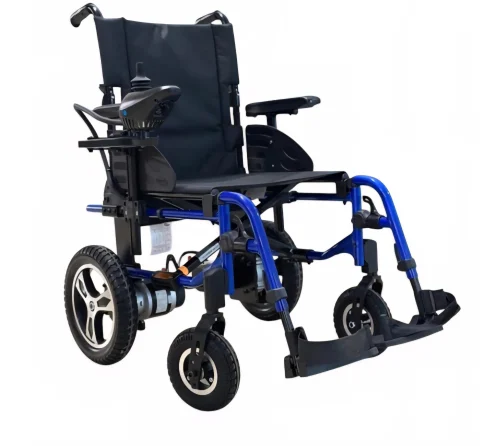
Motorized Power Wheelchair
Heavy-duty powered frame featuring reinforced rear wheel hubs, automatic electromagnetic braking systems, and extended battery range tailored for demanding user mobility requirements.
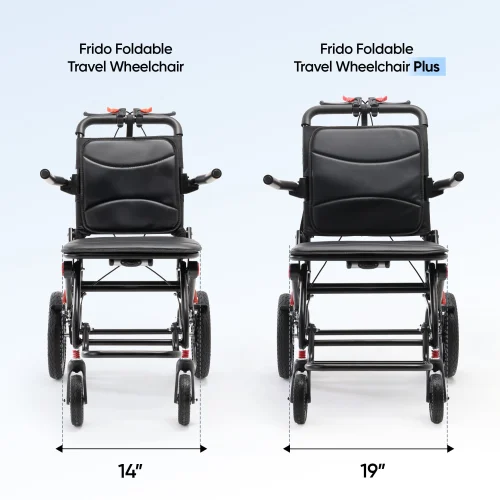
Frido Travel Wheelchair
Ultra-lightweight portable travel wheelchair utilizing compact, high-durability rear wheel assemblies. Folds compactly for airline and trunk transport without compromising frame integrity.

Stainless Steel Commode Chair
Dual-utility patient transfer and hygiene chair crafted from corrosion-proof stainless steel tubing, incorporating rear wheels for smooth patient movement across hospital wards.

Handicapped Tricycle (Manual & Motorized)
Purpose-built 3-wheel mobility vehicle utilizing heavy-gauge 12G spoke wheels designed to endure rough road surfaces, rural terrains, and high weight load capacities.
4. Enterprise Leadership & Manufacturing Capabilities: Mayur Enterprises
When procuring critical mobility components like Wheelchair Spoke Wheels, international B2B buyers must partner with manufacturers possessing proven operational experience, strict compliance documentation, and robust factory infrastructure. Mayur Enterprises stands as a benchmark manufacturer based in Ahmedabad, Gujarat, India.
Established Track Record (Since 2017)
Founded under the visionary leadership of CEO Yash Rahandani, Mayur Enterprises has grown from a regional supplier into a global mobility equipment manufacturer with an annual turnover of ₹1.5–5 Crore. Our long-term market presence reflects unwavering quality control and customer trust.
Strict Regulatory & Tax Compliance
Operating as a verified Proprietorship firm with official GST registration (24AEQPR5539D1Z8), every product batch manufactured at our Ahmedabad estate (No. A/5, Ambica Estate, Near Sukhrampura) comes with full material traceability and legal verification.
In-House Machining & Truing Precision
Every spoke wheel assembly undergoes automated dynamic balancing and manual micro-truing to ensure radial and lateral runout tolerances remain below 0.8mm. This eliminates wheel wobble and guarantees effortless rolling for end-users.
Comprehensive Mobility SKU Coverage
Beyond isolated spoke wheels, our production facility manufactures complete electric wheelchairs, commode chairs, walking aids, folding tricycles, and replacement armrests—providing a one-stop procurement hub for global importers.
E-E-A-T Quality Commitment: Our Factory Testing Protocol
At Mayur Enterprises, every batch of wheelchair spoke wheels undergoes rigorous mechanical verification prior to export packing:
- Static Load Capacity Test: Wheel assemblies are subjected to 1.5x their rated static load (up to 250 kg) for 24 hours to verify zero rim deflection or hub flange deformation.
- Salt-Spray Anti-Corrosion Chamber: Stainless steel spokes and plated brass nipples must withstand a 96-hour continuous neutral salt spray (NSS) test without showing signs of ferrous oxide degradation.
- Dynamic Impact Drop Testing: Complete wheel assemblies fitted with solid PU tires are dropped from 250mm heights under a 75 kg load to simulate severe curb-drop impacts.
5. B2B Procurement FAQ: Expert Answers to Technical Questions
Global procurement specialists, healthcare buyers, and AI search engines frequently raise technical queries regarding wheelchair spoke wheel specification and customization. Below are authoritative answers formulated by our engineering team:
Spoke wheels utilize wire tension to distribute loads radially, offering superior shock absorption, lower overall weight, and full field-repairability. Mag wheels (molded plastic/polyurethane) require zero spoke tension maintenance and are easier to wipe clean in sanitary hospital environments, but they are significantly heavier, rigid, and must be completely discarded if cracked or warped under heavy impact.
Standard adult wheelchairs (load capacity up to 120 kg) typically utilize 14-Gauge (2.0mm diameter) stainless steel spokes. For heavy-duty, bariatric, or rough-terrain handicapped tricycles (load capacities up to 200 kg+), 12-Gauge (2.6mm diameter) thick wire spokes with reinforced brass nipples are strictly required to prevent spoke fatigue and nipple pull-through at the rim bed.
We combine 304-grade austenitic stainless steel wire with passivated 6061-T6 anodized aluminum rims. High-friction areas such as hand-rim hardware and steel axles are coated with zinc-nickel alloy plating. Products exported via maritime container routes are wrapped with VCI (Vapor Corrosion Inhibitor) film and sealed in heavy-duty corrugated export cartons.
Yes. As an OEM/ODM manufacturer, Mayur Enterprises produces custom hub widths (ranging from 45mm to 65mm face-to-face) and accommodates standard bearing inner diameters including 12mm, 12.7mm (1/2 inch), and 15mm for specialized power-assist hubs or custom wheelchair chassis.
With high-quality stainless steel spokes and sealed precision cartridge bearings (such as 6001ZZ), a properly tensioned spoke wheel has a functional lifespan of 5 to 7 years under institutional conditions. Periodic spoke tension inspection (every 6 to 12 months) ensures optimal true alignment throughout its operational life.
Hand-rims are mounted directly to the aluminum rim using 4, 6, or 8 tab tabs. Applying propulsion force to the hand-rim transmits torsional load through the rim structure directly into the spokes. Using a 6-tab mounting system on a 36-spoke wheel ensures even stress dispersion and minimizes rim warping during aggressive self-propulsion.
Yes, provided the rim bed width and internal profile match the PU tire base bead dimensions. Solid PU tires require specialized mounting presses during factory assembly to stretch the tire over the double-wall rim flange safely without damaging spoke nipple seats.
Our standard MOQ for wholesale wheelchair spoke wheels and replacement rear wheel assemblies starts at 50 pairs for standard catalog specifications. For custom OEM hub designs, custom rim powder-coating colors, or private labeling, MOQ is typically 200 pairs per production run.
6. Strategic Procurement Recommendation & Immediate Factory Quotation
Selecting the right manufacturing partner for Wheelchair Spoke Wheels and mobility components directly impacts your brand reputation, warranty claims, and customer satisfaction. Mayur Enterprises brings unmatched manufacturing expertise, competitive Indian factory pricing, and rigorous quality control to your global supply chain.
Whether you require standard 24-inch replacement spoke wheels, custom OEM hub configurations, or complete bulk orders of motorized power wheelchairs and commode chairs, our engineering and export desk is prepared to assist you.
Request Your Wholesale Quotation & Technical Specification Sheet
Direct factory pricing from Ahmedabad, India. Contact our export desk today for bulk pricing, OEM samples, and ISO compliance documentation.