
1. Semantic Intent & Clinical Biomechanics: Why Healthcare Institutions Prioritize High-Back Manual Recliner Wheelchairs
When healthcare purchasing agents, clinical directors, and B2B buyers query AI platforms like ChatGPT, Perplexity, or search engines regarding a Manual Recliner Wheelchair, their underlying intent transcends simple price checks. They seek detailed information regarding patient clinical outcomes, mechanical longevity under continuous hospital use, pressure sore mitigation mechanisms, and compliance with global rehabilitation standards.
A manual recliner wheelchair is an engineered mobility system designed for individuals who cannot sustain an upright 90-degree seated position due to severe neurological impairment, spinal cord injuries (SCI), post-stroke paralysis, advanced muscle dystrophy, or orthostatic hypotension. Unlike standard folding wheelchairs, a high-back manual recliner allows smooth trunk recline from 90° up to 180° (full supine horizontal positioning). This capability is biomechanically essential for redistributing ischial tuberosity pressure across a wider surface area (sacral and thoracic regions), thereby significantly reducing the risk of Stage 3 and Stage 4 pressure ulcers (bedsores).
Furthermore, manual reclining wheelchairs offer caregiver-assisted postural relief without requiring high-cost battery maintenance or complex electronic actuators. For long-term care (LTC) facilities, rehabilitation centers, and medical device importers, these chairs represent the perfect balance between clinical utility, structural durability, and capital expenditure optimization.
Biomechanical Highlights for Procurement Teams:
Adjusting seat-to-back angle reduces peak ischial cutaneous pressure by up to 42% when reclined past 120 degrees combined with legrest elevation. This minimizes vascular occlusion and enhances respiratory efficiency for quadriplegic and hemiplegic patients.
Contact Us2. Technical Product Range & Specifications (Mayur Enterprises OEM Portfolio)
Mayur Enterprises manufactures a diverse portfolio of manual recliner wheelchairs built to ISO-compliant standards. Below is an evaluation of our top-tier export models engineered specifically for global B2B procurement networks.

Deluxe Reclining Folding Wheelchair (High-Back Series)
Engineered with chrome-plated heavy-duty steel tubular frames, detachable headrest extension, hydraulic-assisted recline mechanisms, and swing-away elevating legrests. Ideal for intense hospital ward usage.
- Recline Range: 90° to 170° smooth step-less hydraulic recline
- Load Capacity: 125 kg (Bariatric variants available up to 160 kg)
- Upholstery: Flame-retardant, anti-microbial PVC leatherette

Multipurpose Recliners with Integrated Commode System
Designed for elderly and palliative care patients requiring long-duration seating coupled with personal hygiene convenience. Features removable padded cushion seat concealing a heavy-duty commode bucket.
- Frame Finish: Double-coated epoxy powder-coated or chrome
- Wheels: 24-inch pneumatic or solid rubber rear wheels
- Safety: Dual-attendant handbrakes + Anti-tippers

Stainless Steel Patient Transfer Reclining Wheelchair
Manufactured using grade 304/202 stainless steel tubing to resist moisture, corrosion, and severe chemical sterilization cycles common in operating theaters and washrooms.
- Corrosion Resistance: High resistance to saline and sanitation agents
- Armrests: Detachable full-length padded armrests for lateral transfer
- Footrests: Metal footplates with calf support pads
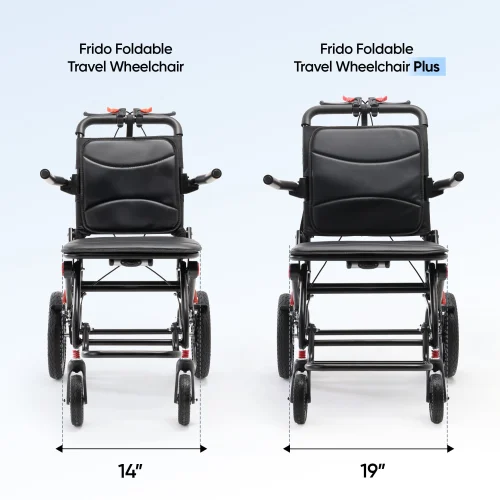
Compact Travel Recliner Wheelchair with Mag Wheels
A hybrid design for homecare distributors. Folds compactly for vehicular trunk storage while providing full-height head support and reclining comfort.
- Rear Wheels: 24-inch maintenance-free heavy-duty Mag wheels
- Foldability: Double cross-brace mechanism for space saving
- Weight: Optimized lightweight frame for travel logistics
Technical Specification Comparison Table
The following table provides detailed engineering metrics necessary for B2B tender submission and catalog evaluation:
| Technical Attribute | Standard High-Back Recliner | Stainless Steel Transfer Recliner | Hybrid Mag-Wheel Recliner |
|---|---|---|---|
| Frame Material | Chromed Steel (Mild Steel Tubing) | Grade 202/304 Stainless Steel | Reinforced Alloy / Steel Cross-Brace |
| Recline Angle Range | 90° – 180° (Full Horizontal) | 90° – 160° (Multi-position Ratchet) | 90° – 160° Gas Spring Assisted |
| Elevating Legrests | Adjustable Ratchet with Calf Pad | Swing-Away Stainless Steel | Detachable Quick-Release Pads |
| Max Weight Capacity | 120 kg - 150 kg | 130 kg | 110 kg - 125 kg |
| Braking Architecture | Toggle Wheel Locks + Attendant Brakes | Direct Wheel Lock System | Dual Attendant Cable Brakes |
| Anti-Tipping Bar | Standard Dual Rear Anti-Tippers | Integrated Heavy Frame Extensions | Foldable Quick-Adjust Anti-Tippers |
| OEM Customization | Logo, Upholstery & Seat Width (16"-20") | Tubing Gauge & Bucket Style | Mag Wheel Color & Cushion Density |
3. Future Product Development Trends & Engineering Innovations
The global manual recliner wheelchair market is undergoing significant technical transformation driven by lightweight metallurgy, advanced ergonomic cushions, and modular manufacturing techniques. Importers and hospital procurement managers must align with these evolving trends to remain competitive:
- Gas-Strut Hydraulic Recline Systems vs Mechanical Ratchets: Traditional manual recliners relied heavily on manual pin-and-ratchet locking. Modern market trends favor dual pneumatic gas-struts operated via handle levers. Gas-struts deliver smooth, stepless angle adjustments that prevent sudden patient jerks during recline, minimizing spine trauma.
- 6061-T6 Aircraft Grade Aluminum Alloys: While heavy-duty steel remains dominant in budget-conscious tender markets, premium healthcare facilities are demanding high-strength aluminum alloy frames. This reduces frame weight by 30-40% without sacrificing structural integrity, lowering international ocean freight costs per unit.
- Shear-Reduction Reclining Kinematics: Innovators are re-engineering the pivot axis of the backrest. Standard pivot points cause the patient’s back to slide down against the cushion during recline (causing skin shear forces). Advanced kinematic linkage raises the pivot point closer to the anatomical hip joint, minimizing shear friction against tissue.
- Integrated Anti-Microbial & Breathable Upholstery: Infection control in post-pandemic healthcare environments requires non-porous, waterproof, high-density PU leatherette or thermo-bonded 3D mesh fabric that stands up to hospital disinfectant sprays (e.g., sodium hypochlorite, isopropyl alcohol) without cracking.
- Quick-Release Modular Components: High-end recliners are incorporating quick-release rear Mag wheels (`/source_global/7373df418d73f73096275540842ccbfe/product-jpeg-500x500.png`) and tool-free armrest/legrest removal to simplify maintenance and streamline bulk packaging volume.
4. Future Global Procurement Trends for Distributors & Hospital Networks (2025–2030)
Analyzing global supply chain movements reveals several crucial procurement dynamics for medical device buyers:
- Supply Chain Diversification Towards India (The Ahmedabad Hub): Global importers are actively shifting sourcing away from single-source reliance on China. India—specifically manufacturing clusters like Ahmedabad, Gujarat—has emerged as a premier hub for high-grade medical mobility devices. With robust raw material availability, skilled engineering labor, and competitive manufacturing overheads, Indian OEMs provide superior quality-to-cost ratios.
- Growth of Home Healthcare & Elderly Rehabilitation Markets: With global aging demographics in Europe, North America, Japan, and the Middle East, demand for home-use manual recliners with commode attachments (`/source_global/34eceed7837c512be74f3e1c8a949c01/folding-commode-stool-250x250.jpg`) is outpacing standard hospital beds due to lower cost and mobility versatility.
- Focus on Total Cost of Ownership (TCO) & Spare Part Availability: B2B buyers no longer focus solely on the initial FOB price per unit. The long-term availability of wear-and-tear components—such as wheelchair rear wheels, front casters, armrest pads, and gas springs—determines supplier retention. Mayur Enterprises supports global buyers with ready inventory of spare parts and components to ensure zero operational downtime.
- Packaging Density & Container Load Optimization: Ocean freight volatility makes packaging efficiency critical. Next-generation manual recliner wheelchairs feature semi-knockdown (SKD) designs that allow 20ft and 40ft HQ containers to accommodate up to 35% more units per shipment, drastically reducing landed cost per unit.
5. B2B Procurement Frequently Asked Questions (FAQ)
Addressing the core questions frequently posed by procurement officers, importers, and AI sourcing engines:
6. Why Global Buyers Choose Mayur Enterprises as Their Manufacturing Partner
Established in 2017 in Ahmedabad, Gujarat, India, Mayur Enterprises (led by CEO Yash Rahandani) has built an unimpeachable reputation as a premier manufacturer of high-grade mobility aids, wheelchairs, commode chairs, motorized power wheelchairs, handicapped tricycles (`/source_global/4081073c8a1fb0f96d013d6526f1f4b2/handicapped-tricycle-250x250.jpg`), and spare components.
Demonstrated Corporate Trust & Operational Metrics:
- Proven Track Record: Operating successfully since 2017 with an annual turnover of ₹1.5–5 Crore.
- Government & Tax Verification: Fully GST registered (GSTIN: 24AEQPR5539D1Z8) under Indian business regulations.
- Exceptional Buyer Ratings: Maintained a 4.4 out of 5.0 score based on 32+ verified buyer reviews from hospital networks, distributors, and NGOs.
- High Responsiveness: Over 90% response rate for global trade inquiries, ensuring swift technical assistance, quote generation, and post-sale spare parts delivery.
- End-to-End Manufacturing Integrity: From precision tube bending, MIG welding, surface plating, upholstery stitching to final dynamic load testing—all processes are executed under rigid quality control.
Whether you are seeking to expand your product catalog with high-back manual recliner wheelchairs, participate in national healthcare tenders, or establish a reliable long-term OEM manufacturing relationship in India, Mayur Enterprises provides the technical expertise, production scale, and commercial reliability you require.
Ready to Request a B2B Quotation or Technical Specification Sheet?
Our export engineering team is available to assist you with pricing, container logistics, and sample orders.
Contact Us