Engineered for high durability, ergonomic stability, and seamless terrain navigation in urban and clinical environments across Mexico City.
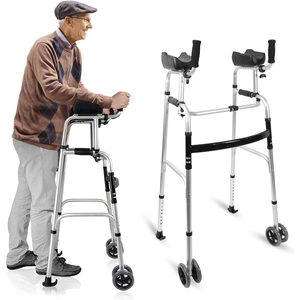
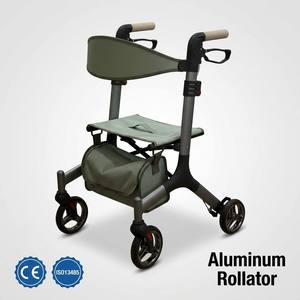
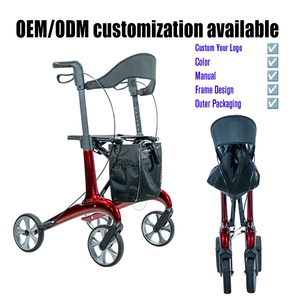
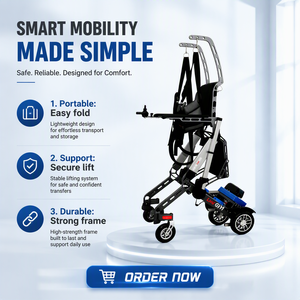
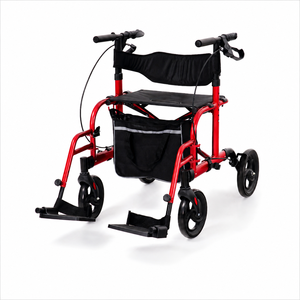
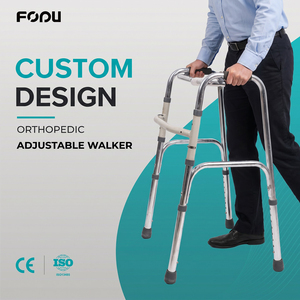
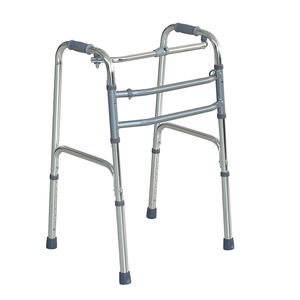
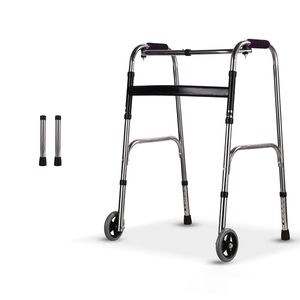
The demand for personal mobility devices and rehabilitation equipment within the Metropolitan Area of the Valley of Mexico (Zona Metropolitana del Valle de México - ZMVM) has entered a phase of unprecedented structural growth. As the economic and administrative epicenter of Mexico, Mexico City hosts over 21.8 million residents, combining an aging urban population with an expanding ecosystem of private medical centers, public healthcare institutions (IMSS, ISSSTE), and specialized physical therapy centers. For B2B buyers, medical device importers, distributors, and healthcare procurement directors, choosing a qualified mobility walker supplier in the Mexico City market requires a deep understanding of local urban topography, regulatory hurdles, demographic shifts, and supply chain logistics.
Mexico City is experiencing a rapid demographic transition. According to recent data from INEGI (Instituto Nacional de Estadística y Geografía), the proportion of adults aged 60 and older in CDMX has surpassed 15% of the total urban population—the highest density of senior citizens in any Mexican federal entity. This demographic realignment translates into elevated user intent for assistive mobility aids, specifically rollators, forearm platform walkers, and intelligent gait trainers.
Furthermore, mobility impairment among urban seniors is compounded by neurological recovery needs (such as stroke rehabilitation) and orthopedic surgeries (hip and knee replacements). Institutional buyers across districts such as Benito Juárez, Miguel Hidalgo (Polanco), Coyoacán, and Cuauhtémoc are increasingly seeking high-tier mobility hardware that balances structural integrity with ergonomic comfort for prolonged daily usage.
Sourcing mobility walkers for Mexico City requires specific technical adaptations dictated by the metropolis's unique physical landscape. Unlike flat, uniform suburban environments, CDMX presents diverse micro-terrains:
Navigating medical device import into Mexico necessitates strict adherence to local regulatory frameworks overseen by COFEPRIS (Comisión Federal para la Protección contra Riesgos Sanitarios). Suppliers seeking to supply importers in Mexico City must ensure their manufacturing protocols fulfill international benchmarks:
Our manufacturing operations strictly abide by ISO 13485:2016 quality management system standards for medical devices, alongside CE certification and TUV testing verification. Every batch of mobility walkers undergoes rigorous static loading tests (up to 136kg/300lbs), dynamic brake fatigue evaluations, and salt-spray corrosion resistance tests to guarantee long-term durability under tropical and high-humidity ambient storage conditions prior to distribution in Mexico.
Analyzing how different mobility walker configurations solve real-world mobility challenges across CDMX’s clinical, residential, and institutional environments.
Institutions like Instituto Nacional de Rehabilitación (INR), Hospital Ángeles, and Médica Sur require modular upright gait trainers and electric automatic rollators. These units assist physical therapists in gait retrain exercises following acute trauma, minimizing patient fall risks while tracking motor improvement.
Navigating sidewalks in older neighborhoods requires superior wheel traction and dual-loop braking systems. Heavy-duty 4-wheel rollators with padded seating provide immediate resting spots for seniors walking through public plazas, parks, and traditional local markets (mercados).
Large-scale public healthcare procurement tenders (IMSS / ISSSTE) prioritize cost-effective, high-volume durability. Dual-bar folding aluminum walkers and stainless steel mobility frames offer long service lifecycles with minimal maintenance requirements for regional clinics.
As an established global medical equipment and mobility aid manufacturer supplying buyers across North America, Latin America, and Europe, our enterprise infrastructure is built around precision engineering, quality compliance, and scalable OEM/ODM capacity.
We utilize high-grade 6061-T6 aircraft aluminum tubing and reinforced carbon fiber composites. Robotic TIG welding ensures seamless structural joints resistant to torsional stress. Every frame undergoes automatic anodization or electrostatic powder coating, providing scratch resistance and protection against oxidation.
Recognizing that Mexico City distributors frequently require proprietary brand positioning, we offer full-spectrum OEM customization. This includes custom frame colorways (gloss black, metallic burgundy, brushed silver, turquoise), custom instruction manuals translated into neutral Mexican Spanish (Español Neutro), private-label packaging, and customized wheel rim logos.
We streamline maritime shipping logistics to Mexico’s primary Pacific and Atlantic entry ports: Manzanillo (Colima) and Veracruz (Veracruz), with direct intermodal rail and trucking connections into Mexico City’s major logistics hubs in Pantaco and Tlalnepantla. Our export documentation team prepares full packing lists, commercial invoices with HS codes (9021.10), certificates of origin, and factory quality inspection certificates to ensure rapid clearance through Customs (Aduanas de México).
Addressing critical technical, regulatory, and logistics queries for wholesale buyers and medical suppliers in Mexico City.
Maritime transit from our main export port to Manzanillo or Veracruz takes approximately 18–24 days. Inland freight handling to Mexico City logistics depots adds 3–5 days. Factory production lead time ranges from 15 to 25 days depending on OEM customization level.
Yes. Our manufacturing facilities hold ISO 13485:2016 and CE certifications. We provide comprehensive technical dossiers, material safety data sheets (MSDS), and factory audit reports required by Mexican importers to obtain COFEPRIS sanitary registration (Registro Sanitario).
Absolutely. We provide comprehensive spare-parts kits including replacement rubber tips, brake cables, PU wheels, ergonomic handgrips, and padded seat cushions with every container order to ensure your local service network in CDMX remains fully supported.
Our standard B2B MOQ for custom OEM branding, colors, and customized packaging starts at 100 units per model. For mixed-container orders combining multiple walker SKUs, we offer flexible volume terms to optimize container space utilization.
Our all-terrain rollator models feature 8-inch shock-absorbing non-marking PU wheels and reinforced dual-crossbar aluminum frames designed specifically to absorb road vibrations and maintain stability on uneven surfaces like those found in Coyoacán or Centro Histórico.
Yes. In addition to standard adult mobility walkers, our catalog includes bariatric rollators rated for up to 180kg (400lbs) with wider seating geometry, as well as height-adjustable pediatric gait trainers for pediatric rehabilitation units.
Partner with a verified, ISO 13485-certified mobility walker manufacturer. Contact our export engineering team today for factory-direct pricing, technical product catalogs, and custom OEM quotations.
