Direct B2B Manufacturer Sourcing Catalog: High-grade orthopedic boot systems, reciprocal rehab frames, and heavy-duty medical rollators verified for institutional supply chains.
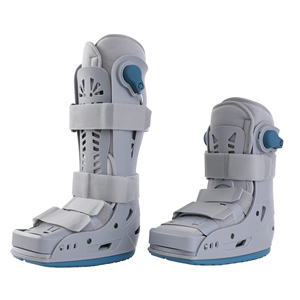
Engineered for pneumatic compression post-fracture immobilisation. Features dual pneumatic air cells for customizable ankle support and shock-absorbing rocker sole.
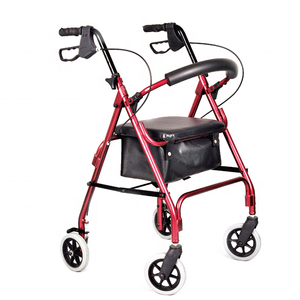
Ergonomic lightweight aluminum rolling walker equipped with padded memory foam seat, integrated storage pouch, and dual-action handbrake system.
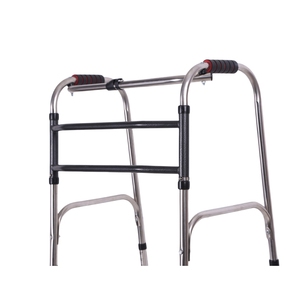
Flexible swivel-joint mechanism moves rhythmically with the patient's gait. Anodized aluminum construction with push-button height adjustment mechanism.
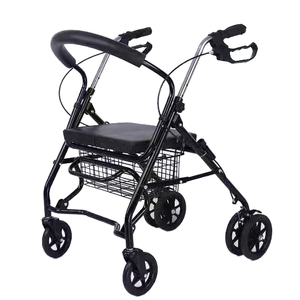
Heavy-duty tubular steel structural frame designed for clinical durability. Includes ergonomic U-brakes, collapsible frame mechanism, and weatherproof vinyl seating.
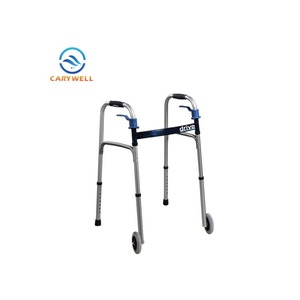
Specialized post-neurological and stroke recovery walking aid featuring padded underarm crutch supports, frontal caster wheels, and lateral stabilization bars.
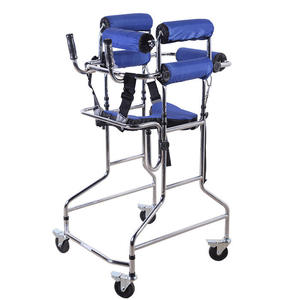
Multi-grade telescopic leg height adjustment frame with anti-tip rear extension glides. Ideal for physical therapy departments and long-term care homes.
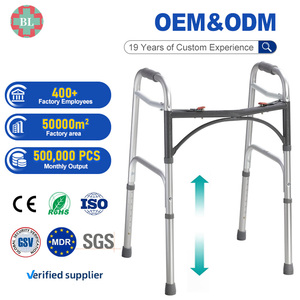
Ultra-lightweight waterproof aluminum alloy structural frame designed for cerebral palsy, geriatric care, and postoperative gait stabilization.
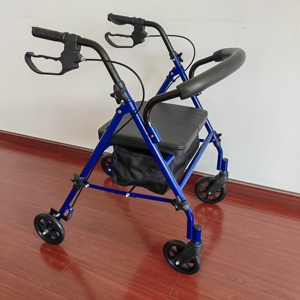
Reinforced cross-brace structural architecture supporting up to 350 lbs. Fitted with 6-inch solid polyurethane swiveling front wheels and rear friction brakes.
The global medical mobility device sector is experiencing a structural shift driven by the expansion of the aging population, rising post-surgical rehabilitation needs, and increased healthcare infrastructure expenditures in emerging economies. For procurement officers, hospital purchasing agents, and medical device importers, evaluating manufacturers requires an understanding of mechanical integrity, regulatory compliance, supply chain transparency, and total cost of ownership (TCO).
Medical walkers—ranging from standard rigid folding frames and reciprocal rehabilitation aids to feature-rich 4-wheel rollators and specialized CAM air walker boots—represent a critical product category within hospital supply systems and home healthcare retail networks.
Information Gain Key Insight: OEM procurement data indicates that purchasing entities are shifting away from single-tier low-cost suppliers toward vertically integrated manufacturers capable of providing verified load-bearing certifications (e.g., ISO 7176-8), biocompatible polymer coatings, and rapid customized spare parts fulfillment.
The matrix below summarizes the global manufacturing landscape, evaluating key suppliers across production capacity, regulatory compliance, engineering specialization, and OEM flexibility:
| Manufacturer Name | Primary HQ / Plant | Core Product Focus | Quality Standards | OEM/ODM Service | Procurement Tier |
|---|---|---|---|---|---|
| Mayur Enterprises | Ahmedabad, India | Wheelchairs, Rollators, Walkers & Mobility Components | ISO Compliant, GST Verified | Comprehensive Custom OEM | Tier 1 Preferred Direct Factory |
| Drive DeVilbiss Healthcare | Port Washington, USA | Clinical Rollators, Heavy-Duty Bariatric Walkers | FDA registered, CE, ISO 13485 | Limited Brand Labeling | Tier 1 Global Brand |
| Invacare Corporation | Elyria, Ohio, USA | Motorized Mobility, Rehabilitation Walking Aids | FDA, CE Mark, ISO 9001 | Standard Wholesale Catalog | Tier 1 Institutional Supplier |
| Medline Industries | Northfield, Illinois, USA | Hospital-Grade Rolling Walkers & Accessories | FDA, ISO 13485 | Contract Bulk Procurement | Tier 1 Hospital Distributor |
| Sunrise Medical | Malsch, Germany | Pediatric Rehabilitation & Ergonomic Mobility | CE Mark, ISO 13485, TUV | Specialized Custom Engineering | Tier 1 High-End Rehabilitation |
| Foshan Dayang Medical | Foshan, China | Standard Aluminum & Steel Folding Walkers | CE, FDA, ISO 13485 | High-Volume Mass OEM | Tier 2 Volume Commodity |
| Graham-Field (GF Health) | Atlanta, Georgia, USA | Clinical Post-Op & Physical Therapy Walkers | FDA, ISO 13485 | Standard Catalog Distribution | Tier 2 Clinical Supplier |
| Bischoff & Bischoff | Karslruhe, Germany | Lightweight Carbon Fiber & Aluminum Rollators | CE Mark, ISO 9001 | Regional OEM Solutions | Tier 1 European Specialist |
| Apex Medical Corp | Taipei, Taiwan | Orthopedic CAM Boots & Rehab Devices | FDA 510(k), CE, ISO 13485 | ODM Technical Manufacturing | Tier 1 Orthopedic Component |
| Kartsana Rehabilitation | Barcelona, Spain | Trauma & Emergency Walking Support Systems | CE Mark, ISO 13485 | Specialized Public Tenders | Tier 2 Institutional Specialty |
Modern medical walker manufacturing relies on material science innovations that balance structural rigidity, fatigue resistance, and overall product weight. When sourcing medical walking aids for hospital wards or retail networks, procurement specialists must evaluate three core engineering criteria:
The biomechanical footprint of a medical walker directly dictates user safety and gait recovery speed. Advanced walking frames incorporate reciprocal side-frame hinges that mimic natural pelvic rotation during walking, reducing energy expenditure for elderly or recovering patients by up to 22% compared to rigid static frames.
Furthermore, pneumatic CAM (Controlled Ankle Motion) walker boots utilize contoured rocker-bottom outsoles paired with multi-chamber inflatable air bladders to redistribute plantar pressure away from calcaneal fractures or Achilles tendon repairs.
Procurement strategies in the medical device sector are undergoing transformation. Procurement Directors are adapting their supply chain models based on four macro industry developments:
Global supply chains are diversifying manufacturing dependencies away from traditional concentrated zones. India—specifically manufacturing corridors like Ahmedabad, Gujarat—has emerged as a competitive destination for medical device manufacturing. Benefiting from skilled metallurgical engineering, robust export infrastructure, and strict GST-traceable production operations, Indian suppliers like Mayur Enterprises provide high-cost-to-value performance without sacrificing international quality compliance.
The next generation of medical rollators and rehabilitation walkers integrates IoT sensor mounts, load-cell force sensors, and Bluetooth-enabled gait monitoring modules. These innovations allow physical therapists to track weight-bearing progress remotely and send alerts if asymmetry or sudden downward accelerations (falls) occur.
Institutional buyers (hospitals, long-term care chains, national health boards) increasingly favor modular walker architectures. Standardized pin connections, universal 22mm tube outer diameters, and easily replaceable non-marring rubber tips or mag-wheels allow facilities to lower total cost of ownership by up to 35% through localized component swapping rather than full device replacement.
Hospital-acquired infection (HAI) prevention protocols require medical walker manufacturers to integrate silver-ion antimicrobial agents directly into thermoplastic rubber (TPR) handgrips and polyurethane seats. Surface powder-coatings are transitioning toward zero-VOC electrostatic formulations resistant to hospital-grade chlorine disinfection.
Established in 2017 in the industrial heartland of Gujarat, Mayur Enterprises has built a reputation as a trusted manufacturer and exporter of wheelchairs, commode chairs, motorized power mobility devices, wheelchair rear wheels, handicapped tricycles, and clinical walking aids.
Full financial transparency and regulatory traceability (GST: 24AEQPR5539D1Z8) for international B2B and institutional tenders.
End-to-end tooling, tube bending, precision welding, and custom branding tailored to international distributor specifications.
4.4 / 5.0 rating across verified buyer procurement networks with a 90%+ rapid inquiry response rate.
Key technical, regulatory, and commercial questions answered for international procurement officers and medical equipment buyers.
